Accidents happen during sports or play, but knowing about emergency dentistry in Mill Bay can make the difference between losing and keeping a tooth. When a permanent tooth gets knocked out of its socket, the clock starts ticking immediately. The goal is to keep the delicate cells on the root alive so a professional can put it back in place. If you act quickly and stay calm, a dentist often has a high chance of fixing the smile.
Step 1: Find the Tooth and Pick It Up Carefully
The moment an injury occurs, locate the tooth immediately. It is vital to touch only the crown, the white part you use for chewing. Never touch the root, which is the pointed part that usually sits under the gums. The root has tiny living fibres that are very fragile. Damaging these fibres makes it much harder for a dentist near Cobble Hill to get the tooth to reattach to the jawbone.
Step 2: Clean the Tooth Gently with Water
If the tooth falls on the ground and looks dirty, rinse it very lightly with cool water. Do not use soap, chemicals, or any scrubbing tools. Avoid drying the tooth with a towel or tissue. Keeping the surface moist is a key part of emergency dental care for a knocked-out tooth. Even a few seconds of scrubbing can kill the living cells that are needed for successful healing.
Step 3: Try to Put the Tooth Back in the Socket
Try to slide the tooth back into the hole it came from. Gently push it down with your fingers or bite down softly on a piece of gauze to hold it in place. This is the ideal way to keep the root alive, as the socket is the tooth’s natural home. If the tooth does not slip in easily, do not force it, as that could cause more damage to the bone.
Step 4: Keep the Tooth Moist During Travel
If the tooth cannot stay in the socket, it must be kept in a special liquid. Placing the tooth in a small container of cold milk is an effective way to keep the cells healthy. If milk is not available, you can keep the tooth inside the cheek against the gums, but only if the person is old enough not to swallow it. Water is not suitable for long-term storage because it can actually damage the root cells over time.
A quick visit to a dentist in Mill Bay is necessary within thirty to sixty minutes of the accident. The sooner the professional treats the area, the better the chances are that the tooth will survive. Professionals have the tools to splint the tooth to its neighbours, which holds it steady while the body repairs the connection.
Step 5: Get Professional Help Immediately
While you are on the way to the clinic, have someone call ahead to let the team know you are on the way. An emergency visit is different from a regular check-up because every minute counts. The dental team will likely take an image of the area to check for jaw fractures before beginning the reattachment process.
Why Immediate Action Matters
The human body is fantastic at healing, but it needs the right environment to work. When a tooth is out of the mouth for more than an hour, the fibres on the root start to die off. By following these steps, you are giving the dentist the materials they need to perform a successful repair. Even if the tooth looks perfect, only a professional can ensure there is no hidden damage to the nerves or the surrounding bone.
- Check for Other Injuries: Ensure the person does not have a concussion or other severe wounds.
- Control Bleeding: Use a clean cloth to apply pressure to the socket area.
- Pain Management: A cold compress on the outside of the cheek can help reduce swelling.
What to Expect During the Emergency Visit
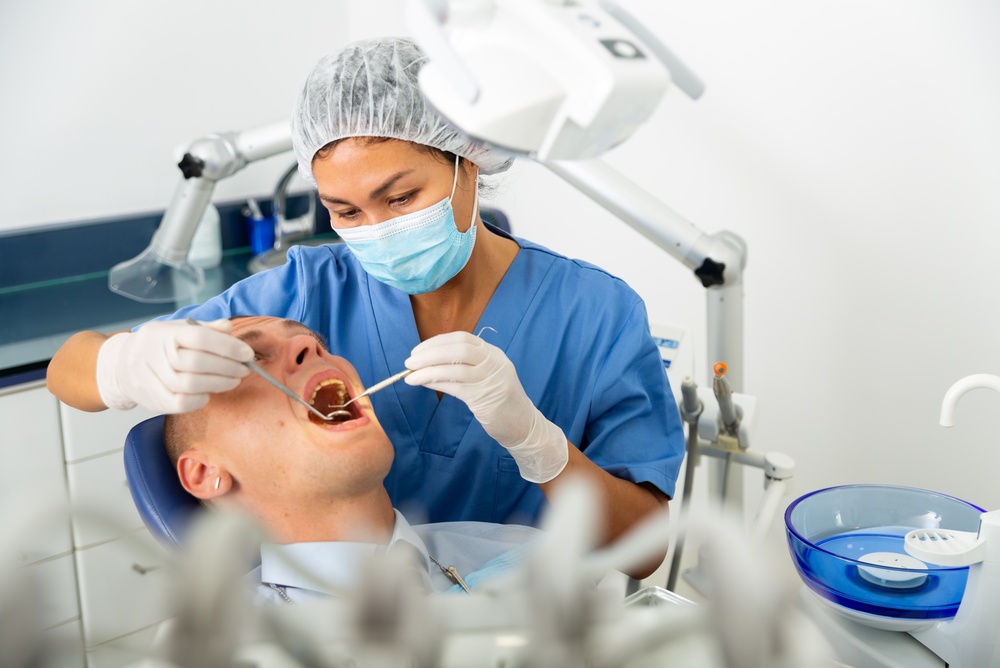
Once you arrive at the clinic, the team will work quickly to assess the situation. They will clean the socket and carefully place the tooth back if you weren’t able to do so. A thin metal or plastic wire is often used to “splint” the loose tooth to the healthy ones next to it. That works like a tiny cast for your tooth, keeping it still for a few weeks so the bone can grow back around the root.
Saving Smiles with Care and Comfort
Getting help during a crisis requires a team ready to act quickly with a gentle touch. Our dentist near you understands how scary a dental injury can be for both kids and adults. We focus on providing fast, effective care to save your natural smile whenever possible. Our clinic is equipped with modern tools to handle emergencies and help you get back to feeling your healthiest.
Schedule your appointment today at Mill Bay Dental Health and Implant Centre.
Frequently Asked Questions
- Is emergency dental care for a knocked-out tooth possible for baby teeth?
Usually, a dentist will not replace a baby tooth in the socket. Doing so could damage the permanent adult tooth growing beneath the gums. It is still a good idea to have the area checked to ensure no tooth fragments are left behind. - What sedation options are available for oral surgery?
If a person is very nervous after an accident, options like laughing gas or oral medication can help them relax. These choices make the procedure feel much shorter and help the patient stay calm while the tooth is being fixed. - How long is the recovery after oral surgery or reattachment?
The splint usually stays on the teeth for about two weeks. During this time, you should eat very soft foods and avoid biting down with the injured tooth. It takes a few months for the bone to strengthen around the root again fully. - Can anxiety affect oral surgery outcomes?
Feeling very stressed can make the body feel more pain and may slightly slow the healing process. That’s why dental teams focus on creating a calm environment and using gentle methods to help patients feel safe during treatment.