Your dentist says a damaged tooth needs a crown, but there may not be enough tooth structure above the gumline to support it. If you are looking for a dentist in Mill Bay, you may hear about crown lengthening as part of your treatment plan. The procedure reshapes the gum tissue and may remove a small amount of supporting bone to expose more of the natural tooth. This gives the dentist enough structure to prepare and fit the new crown.
What Is Crown Lengthening?
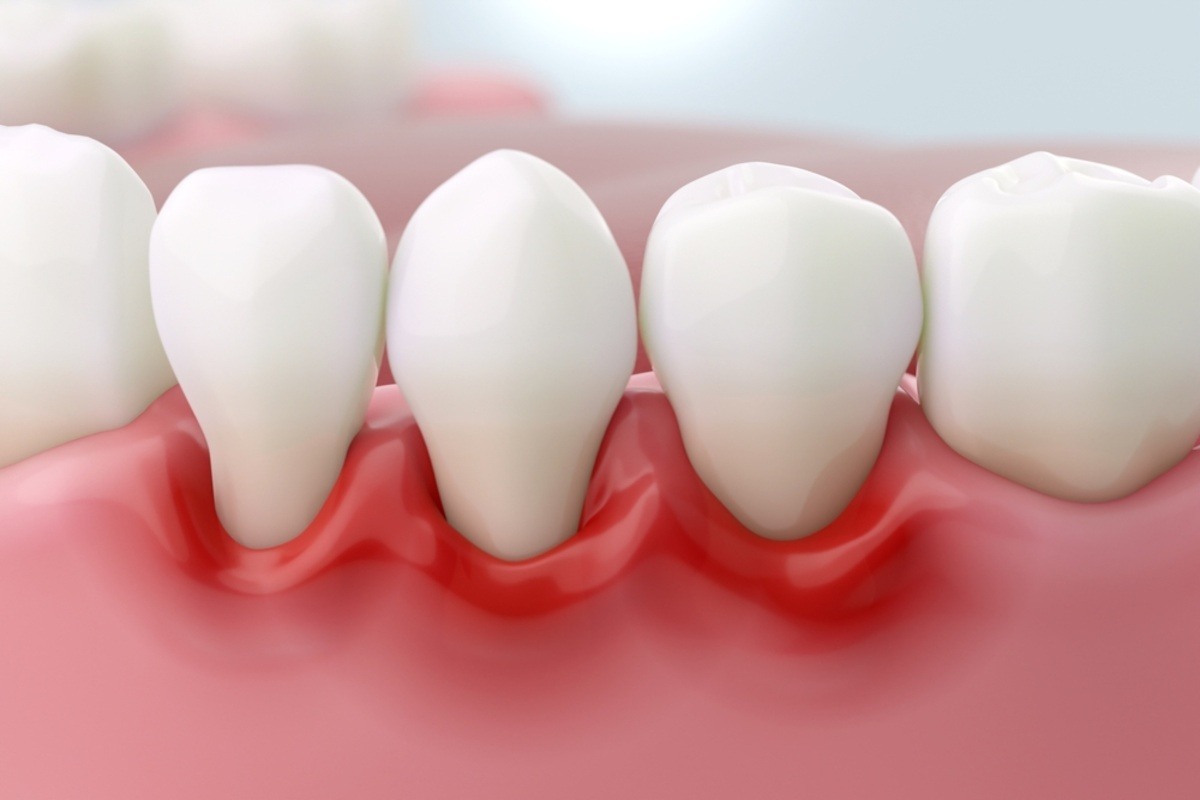
Crown lengthening exposes more of a tooth by adjusting the surrounding gum tissue and, sometimes, the underlying bone.
The goal is to reveal enough healthy tooth structure for a restoration to fit securely. Some teeth have enough visible structure for a crown without changing the gumline. If damage extends too close to the gums, however, more of the tooth may need to be exposed.
Why Is Crown Lengthening Needed Before a Crown?
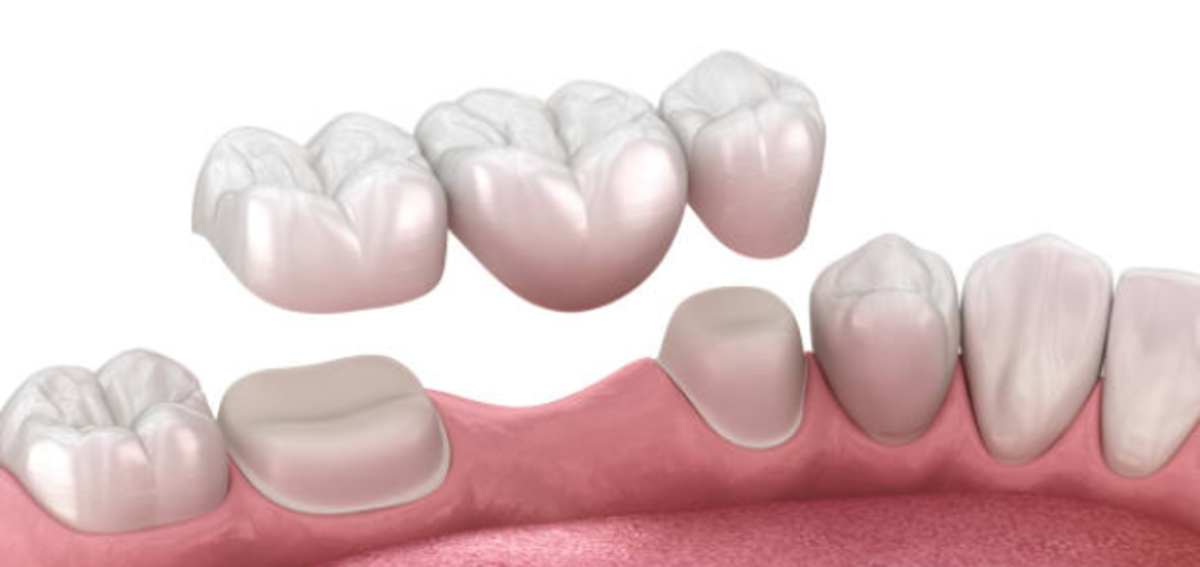
A crown needs a stable foundation. If damage extends below or close to the gumline, there may not be enough accessible tooth structure to prepare and secure the restoration.
This can happen when:
- A Tooth Has Broken Below the Gumline: A fracture may leave too little visible structure for a crown.
- Decay Extends Beneath the Gums: Removing decay may expose an area that is difficult to restore.
- An Existing Filling Is Very Large: Removing an old restoration may leave little healthy tooth structure.
- The Tooth Is Naturally Short: Some teeth do not have enough exposed structure to support a crown.
If there is not enough tooth for a crown, lengthening may provide the access needed for restoration. The remaining root and supporting bone must still be strong enough to support the tooth.
Can Crown Lengthening Help Save a Tooth Broken at the Gumline?
In some cases, yes. A tooth broken at the gumline may be suitable for crown lengthening if enough healthy tooth structure remains below the fracture.
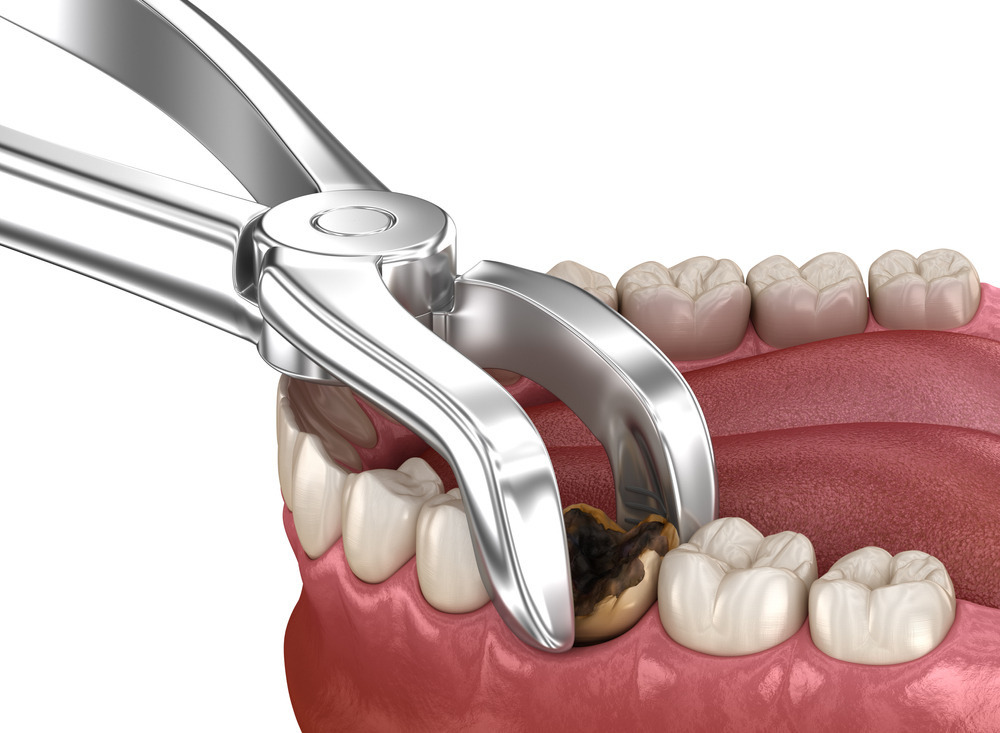
Exposing more of the tooth may allow the dentist to prepare it for a crown and potentially save a broken tooth with a crown instead of extracting it.
However, a fracture extending too far down the root or a tooth with insufficient bone support may not be restorable. Your dentist needs to assess the damage before recommending treatment.
What Happens During Crown Lengthening?
The procedure is generally performed under local anaesthetic.
The dentist or periodontist makes small incisions in the gum tissue to access the tooth and surrounding bone. Some gum tissue may be reshaped, and a small amount of bone may be removed if needed. The gum is then repositioned and secured with stitches.
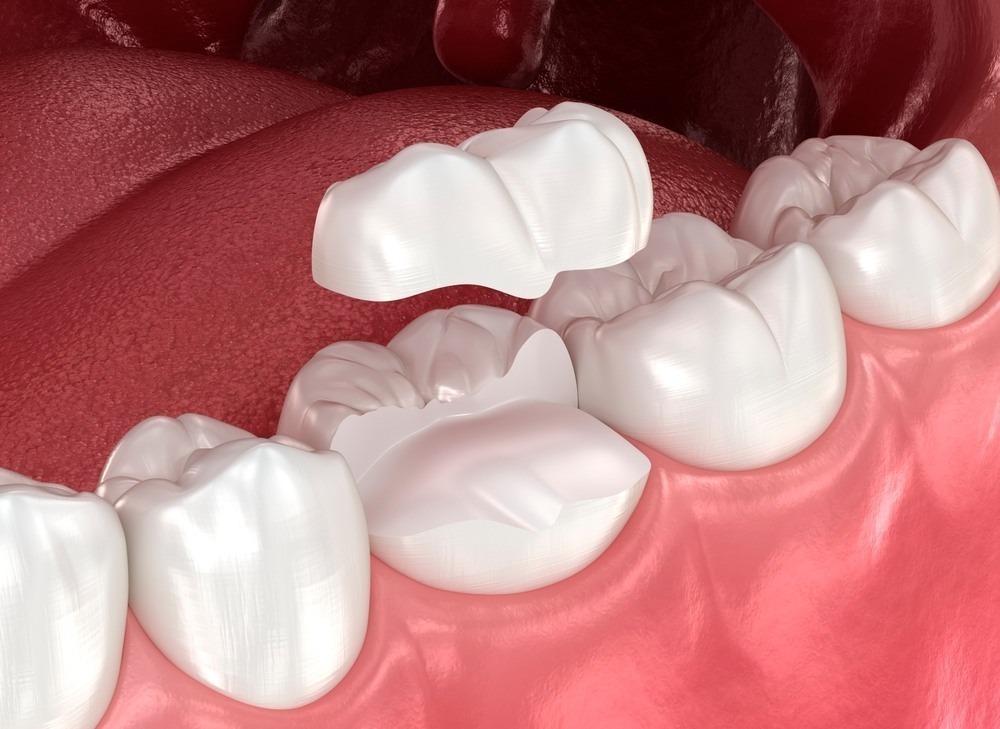
A temporary restoration may protect the tooth while the area heals. Your dental team will explain how to care for the site during recovery.
How Long After Crown Lengthening Can You Get the Final Crown?
Healing time depends on how much tissue was adjusted, whether bone was removed, and the tooth’s location.
For functional crown lengthening, the dentist may allow around six to twelve weeks before placing the final restoration. Front teeth may need longer because changes in gum position can affect the crown’s appearance. Some cases require three months or more.
If you are asking about how long after crown lengthening for final crown Mill Bay treatment, your dentist will check the gum position and healing before deciding when to proceed.
Is Crown Lengthening Better Than Tooth Extraction?
The choice between crown lengthening vs extraction depends on whether the tooth can still be restored successfully.
Crown lengthening may be an option when enough healthy root structure remains, and the tooth has adequate support. Extraction may be more appropriate if a fracture extends too deeply, the root is severely damaged, or the tooth has a poor long-term outlook.
Orthodontic extrusion may also be considered in selected cases. Your dentist can explain which options are appropriate.
Is Crown Lengthening Available in the Cowichan Valley?
If you need a crown but have very little visible tooth structure, an examination can determine whether gum or bone adjustment is necessary. Crown lengthening in the Cowichan Valley may be considered when the tooth can still be restored.
A dentist near you can examine the tooth, review X-rays, and discuss whether crown lengthening or another treatment is suitable.
Discuss Your Crown Treatment Options
If your tooth needs a new crown but lacks enough visible structure to support it, contact Mill Bay Dental Health And Implant Centre to arrange an assessment and discuss your options.
Frequently Asked Questions
Is Crown Lengthening Painful?
The area is numbed during the procedure. Some soreness, swelling, or sensitivity may occur afterward while the gums heal.
Does Every Tooth Need Crown Lengthening Before a Crown?
No. It is considered when more tooth structure needs to be exposed for a restoration or to maintain healthy gum tissue.
Will My Tooth Look Longer After Crown Lengthening?
Yes. More natural tooth structure becomes visible as the gumline is repositioned. The change may be noticeable, particularly with front teeth.
Can I Get a Temporary Crown After Crown Lengthening?
A temporary restoration may protect the tooth while the surgical area heals. Your dentist will decide when it is appropriate.