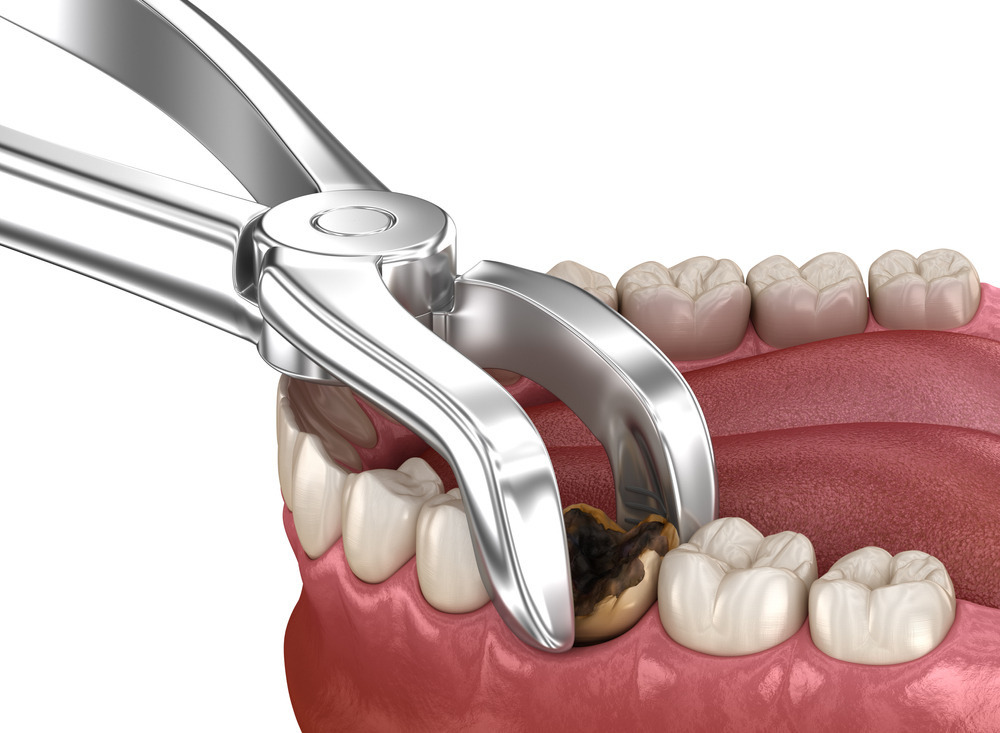
It can be tempting to leave the area unattended when you lose a tooth in the rear of your mouth, like a molar or premolar. Many individuals believe that losing a back tooth is only a cosmetic problem because it is invisible when you smile. The main workhorses of your bite, however, are your rear teeth, which are essential for maintaining jaw alignment and controlling chewing pressure. Knowing the long-term effects of leaving that gap empty is crucial if you have recently lost a molar and are discussing your alternatives with a trusted dentist in Mill Bay.
Leaving a missing back tooth not replaced triggers a chain reaction of hidden dental issues that can impact your entire oral health over time.
Surrounding Teeth Shift into the Empty Space
Teeth rely on neighboring and opposing teeth to stay securely in their proper positions. When a back tooth is extracted or lost, the structural framework holding the remaining teeth in place is broken.
Neighboring teeth on either side of the gap eventually start to tilt, drift, and lean into the gap. At the same time, because it no longer encounters resistance when chewing, the tooth immediately above or below the missing gap starts to over-erupt, stretching out of its socket.
This gradual shifting creates several secondary problems:
- Bite Misalignment: Your upper and lower jaws do not meet easily as your teeth tilt and shift, resulting in choppy chewing pressures.
- Hard-to-Clean Traps: Tilted teeth make it nearly impossible to clean and floss thoroughly because they create small, uncomfortable locations where food debris can lodge.
- Hard-to-Clean Traps: Tilted teeth make it nearly impossible to clean and floss thoroughly because they create small, uncomfortable places where food particles lodge.
- Increased Risk of Decay: Gum disease and cavities around good teeth are accelerated by difficult-to-clean regions that quickly become breeding grounds for dangerous bacteria.
Accelerated Jawbone Loss and Facial Changes
Natural tooth roots perform an essential job beyond holding your teeth in place: they actively stimulate the surrounding jawbone tissue every time you bite down. This functional stimulation tells your body to keep the bone dense and healthy.
The portion of the jawbone that originally supported the root becomes useless when a back tooth is extracted. In the absence of stimulation, the bone tissue in that particular place is naturally broken down or resorbed by your body.
Key consequences of bone loss include:
- Reduced Jawbone Height and Density: The gap’s jawbone gradually gets smaller, making subsequent tooth replacements more difficult.
- Changes in Facial Structure: Your cheeks sink inward due to significant bone loss in the rear of your mouth, which causes your face to age more quickly
- Weakened Support for Adjacent Teeth: The adjacent natural teeth’s foundational support is weakened as bone moves away from the gap.
Increased Strain on Remaining Teeth and Jaw Joints
Your molars are built to handle hundreds of pounds of pressure per square inch during chewing. When a back tooth is missing, that heavy workload automatically shifts to your remaining front teeth and opposite side molars.
Front teeth are designed for biting and tearing, not for grinding heavy foods. Overloading your front teeth forces them to wear down prematurely, chip, or develop painful surface fractures.
Additionally, an uneven bite places unnatural stress on your temporomandibular joints (TMJ), the hinges connecting your lower jaw to your skull. This joint strain can trigger a range of chronic symptoms:
- Clicking or popping noises when opening your mouth.
- Unexplained tension headaches and neck discomfort.
- Frequent clenching or nighttime teeth grinding (bruxism).
- Soreness in your jaw muscles after eating meals.
Modern Options for Replacing a Back Tooth
Early treatment of a lost tooth minimizes more expensive restorative procedures later on as well as subsequent issues. There are several efficient replacement pathways available, depending on your goals, jawbone density, and oral health:
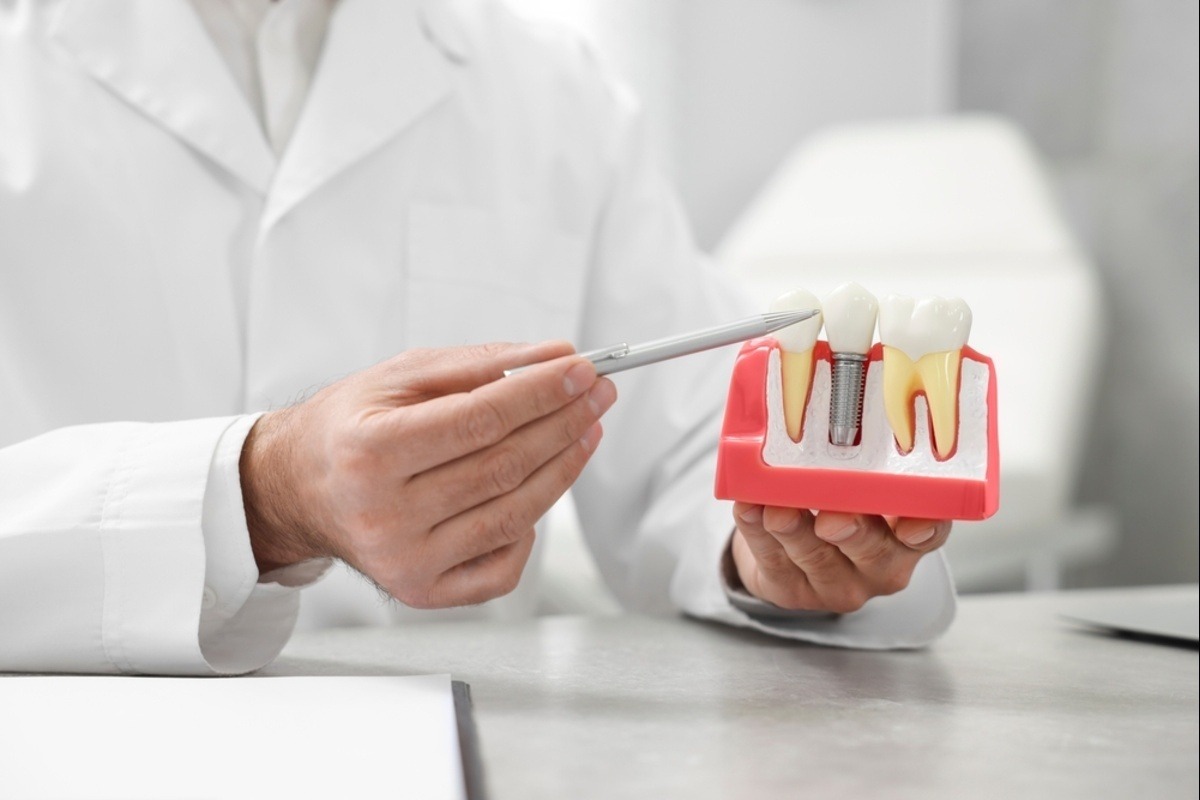
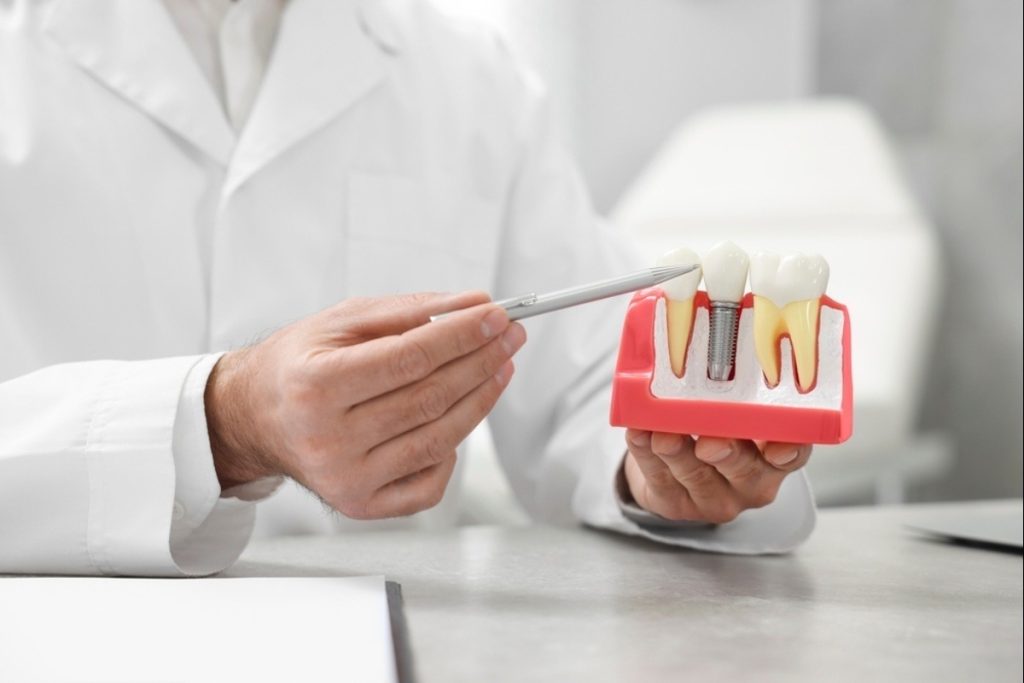
- Dental Implants: An independent titanium post inserted straight into the mandible. It prevents bone loss, replicates a natural root, and supports a single bespoke crown without harming other teeth.
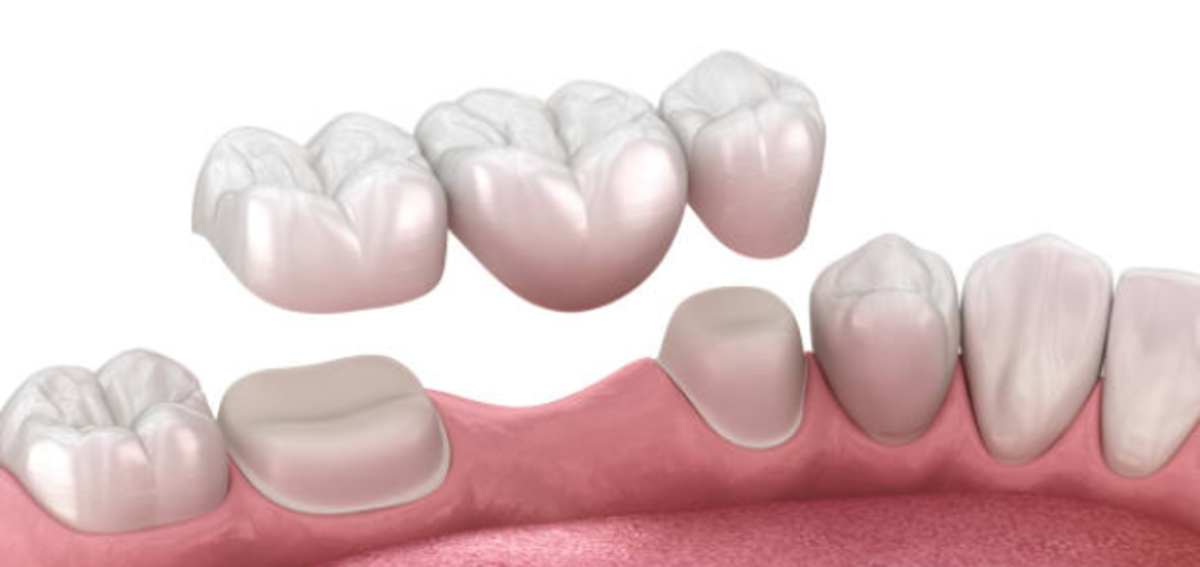
- Fixed Dental Bridges: A long-lasting restoration that firmly fills the gap by being fixed to the natural teeth on each side.
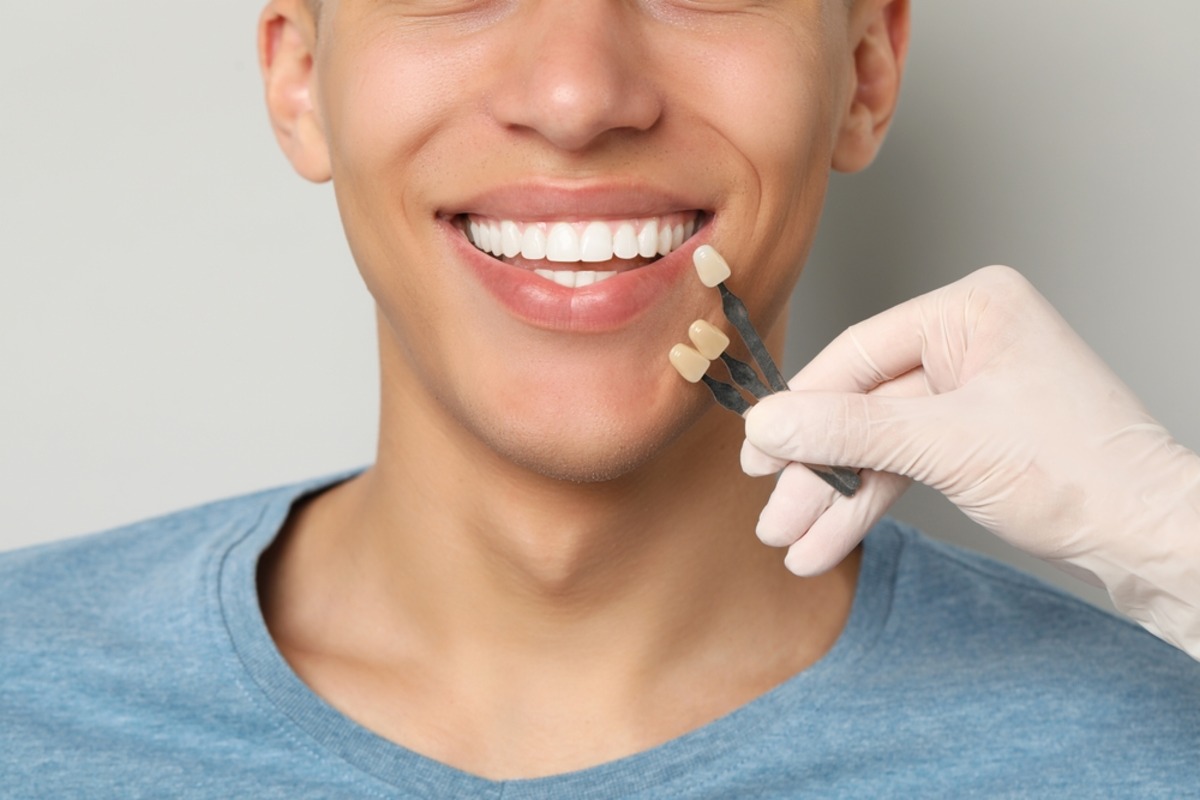
- Implant-Supported Partial Dentures: are the best option since they restore chewing function and offer stability.
Taking proactive steps to replace a missing molar preserves your natural tooth structure, keeps your bite balanced, and maintains your long-term health.
If you are dealing with a missing back tooth or facing an upcoming extraction, our supportive team is here to help you restore your smile.
Contact Mill Bay Dental Health and Implant Centre today to book your comprehensive consultation!
Frequently Asked Questions
Why is replacing a hidden back tooth so important for oral health?
Replacing teeth protects your jawbone, keeps your bite aligned, and stops neighboring teeth from moving. Early replacement planning is crucial for long-term health since jawbone resorption begins within months following tooth loss.
Can neighboring teeth tilt if a missing molar is left empty?
Yes, bite misalignment and hygiene problems result from adjacent teeth’s natural tendency to drift and lean into vacant gaps.
Is a dental implant better than a bridge for a back tooth?
Implants are a great long-term option because they stop jawbone loss and don’t change neighboring good teeth.
Will not replacing a back tooth cause jaw joint pain?
Yes, unequal biting pressure puts undue strain on your jaw joints, which frequently results in persistent TMJ pain.