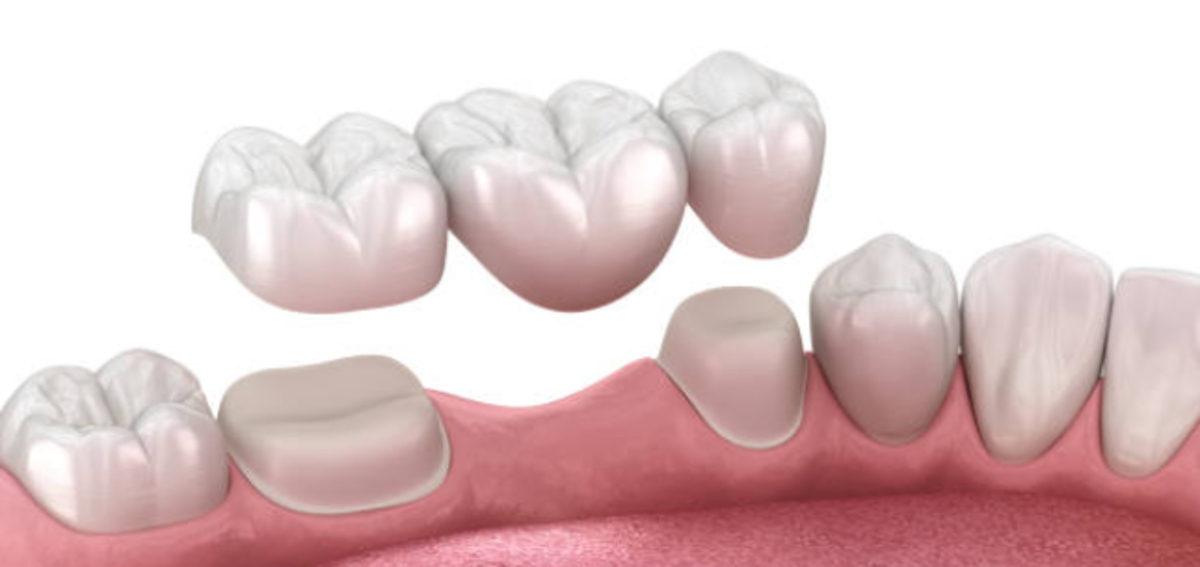
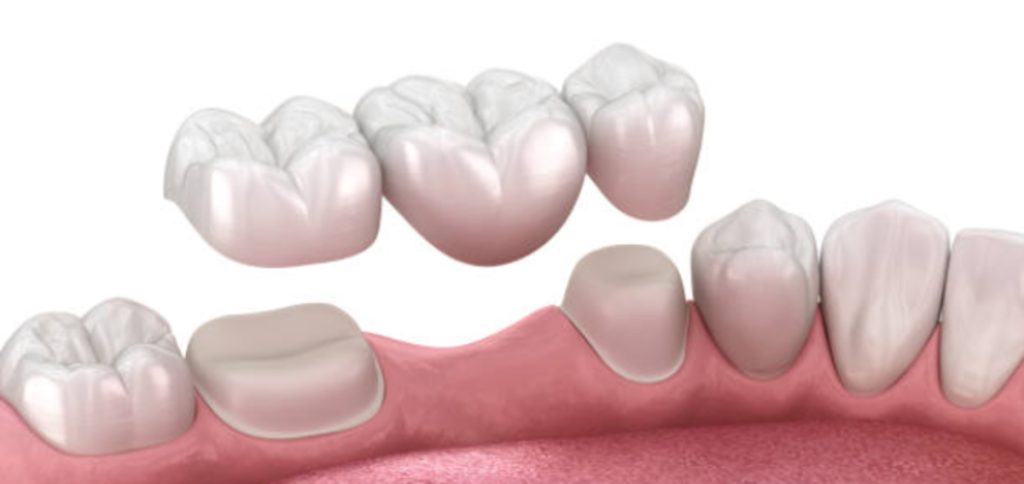
A dental crown can sometimes feel loose or come off while eating. This may happen because the crown or the tooth underneath has changed, the cement has weakened, or the crown has been affected by biting pressure. If this happens, do not panic or try to force the crown back into place. Dental crowns in Mill Bay may protect a weakened tooth, so getting the area checked soon can help prevent further damage.
A loose crown should not be ignored, even if there is no pain. The tooth underneath may be sensitive or more exposed to food and bacteria. Knowing what to do right away can help protect the tooth until it can be examined.
What Should You Do If Your Crown Comes Off?
If your crown falls out while eating, take a few simple steps:
- Remove the crown from your mouth and rinse it gently with water.
- Keep the crown in a clean container so it does not get lost or damaged.
- Rinse your mouth gently if food is stuck around the tooth.
- Avoid chewing on the affected side.
- Avoid very hard, sticky, hot, or cold foods if the tooth feels sensitive.
- Contact a dental clinic as soon as possible for an assessment.
Do not use household glue or try to reattach the crown yourself permanently. A dental clinic in Mill Bay can check whether the crown and the tooth are suitable for another placement.
What If the Crown Only Feels Loose?
A crown does not have to fall out completely to need attention. You may notice movement when biting, a change in your bite, or a slight rocking feeling when your tongue touches the crown.
A loose crown can become more unstable with chewing. It may also allow food and bacteria to collect around the tooth. Until it is checked, avoid chewing hard foods on that side and arrange a dental visit.
Can You Put a Fallen Crown Back Temporarily?
It is best not to push a fallen crown back onto the tooth unless a dental professional has specifically advised you to do so. An incorrect fit can affect your bite or cause the crown to come loose again.
The crown should be kept safely and brought to the appointment. The dentist can examine the crown, the tooth, and the surrounding area to determine whether the crown can be cleaned and placed again or whether another repair is needed.
Why Can a Dental Crown Become Loose?
Several problems may cause a crown to loosen. The reason cannot be confirmed without examining the tooth and crown.
Possible causes include:
- The cement holding the crown has weakened.
- The crown has been damaged or worn.
- The tooth underneath has developed decay.
- Part of the tooth has broken.
- Grinding or clenching has placed extra pressure on the crown.
- The crown no longer fits the tooth properly.
Regular dental visits can help identify problems with dental crowns in Mill Bay before they become more serious.
What Happens After a Crown Falls Off?
The next step depends on the condition of the crown and the tooth underneath. During an examination, the dentist may check the tooth for damage, decay, sensitivity, or signs of infection.
Depending on the findings, treatment may include:
- Reattaching the existing crown if it is still suitable.
- Repairing or replacing the crown if it is damaged.
- Treating decay before placing a new crown.
- Repairing the tooth if part of it has broken.
- Providing other treatment if the tooth cannot safely support the crown.
A dental clinic near you can assess the problem and explain which option may be appropriate.
When Is a Loose Crown an Urgent Dental Problem?
A loose or fallen crown should be checked quickly, especially if the tooth is exposed. Get urgent dental care if you have:
- Severe or worsening tooth pain
- Swelling around the tooth or face
- Bleeding that does not stop
- Signs of infection
- Trouble swallowing or breathing
These signs may mean you have a more serious dental problem that needs quick treatment.
Protect Your Tooth After a Crown Problem!
A loose or fallen crown should be checked as soon as possible. Keep the crown safe, avoid chewing on that tooth, and see a dentist to help prevent further problems.
Book an appointment with Mill Bay Dental Health and Implant Centre to have your loose or fallen crown and the tooth underneath assessed and learn what treatment may be suitable for restoring your tooth.
FAQs
Can I eat after my crown falls out?
Yes, but choose soft foods and chew on the opposite side. Avoid hard or sticky foods until the tooth has been examined.
Should I keep the crown if it falls out?
Yes. Rinse it gently with water, place it in a clean container, and bring it to your dental appointment. It may still be useful if it remains in good condition.
Can a loose crown tighten on its own?
No. A crown that moves should be examined rather than expected to become stable by itself. The cause needs to be identified before deciding on treatment.
Will a fallen crown always need to be replaced?
Not always. If the crown is intact and the tooth underneath is healthy enough to support it, it may sometimes be placed again. The final decision requires an examination.