Picking a permanent resolution for missing teeth is a big choice. Those searching for a trustworthy dentist in Mill Bay may find that dental implants are the go-to solution for restoring a smile. They behave, appear, and are felt just like the natural ones. Nonetheless, they are not immune to defeat; they still have a very high success rate. Analyzing the risk is the first step towards a lifelong healthy smile.
What Makes an Implant Successful?
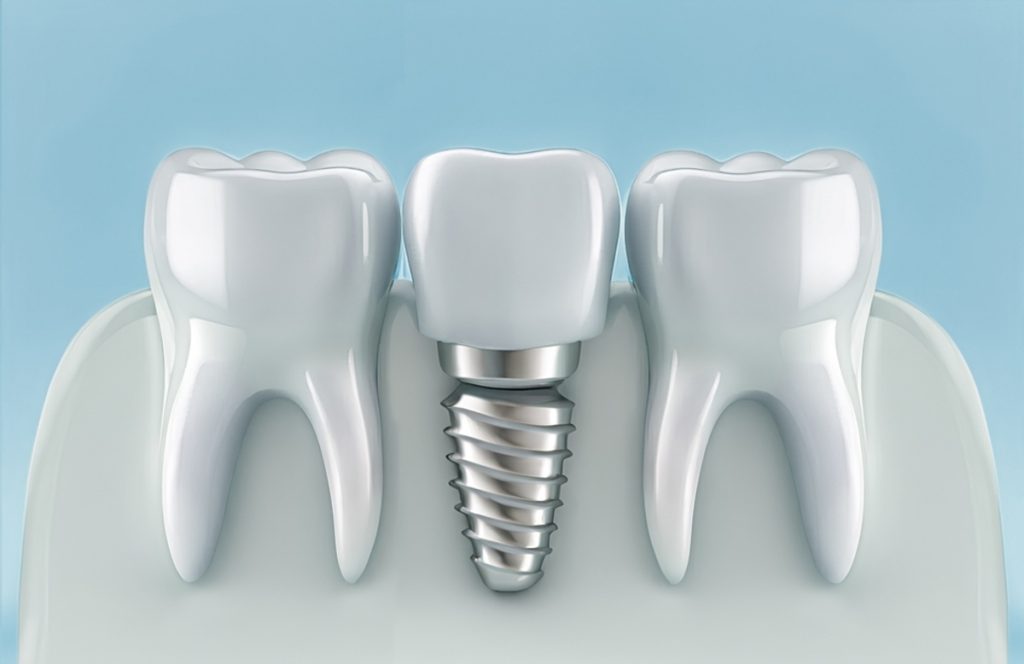
A dental implant works by a process called osseointegration. This is a fancy way of saying the titanium post bonds with your jawbone. When this bond is strong, the implant stays put. If this process is interrupted, the implant may become loose. If you are searching for a dentist near you to discuss this procedure, it is helpful to know what to look for during your recovery.
Common Reasons Dental Implants Fail
Even with the best technology, things can sometimes go wrong. Here are the primary reasons dental implants fail:
- Peri-implantitis: a type of gum disease that affects the area around the implant. It is often caused by poor oral hygiene.
- Poor Bone Density: If the jawbone is too thin or soft, it cannot support the metal post.
- Smoking: Tobacco use slows down healing and reduces blood flow to the gums.
- Uncontrolled Diabetes: Medical conditions that affect healing can make it harder for the body to accept the implant.
- Grinding Teeth: Known as bruxism, excessive pressure on the new tooth can cause it to crack or shift.
Failure Timeline Chart
| Phase | Common Cause of Failure | Primary Symptom |
| Early Phase (1-4 months) | Lack of bone healing or infection | Persistent pain or movement |
| Late Phase (1 year+) | Gum disease or excessive biting force | Receding gums or loose crown |
How to Prevent Implant Failure
The good news is that most failures are preventable. If you are considering dental implants in Mill Bay, following a strict aftercare plan is essential.
- Maintain Great Hygiene: Brush twice a day and floss around the implant. Using a water flosser can help reach tight spots.
- Stop Smoking: Quitting tobacco significantly increases your chances of a successful surgery.
- Eat Soft Foods Initially: Give your jaw time to heal before biting into hard candies or crunchy snacks.
- Wear a Night Guard: If you grind your teeth at night, a custom guard protects your investment.
- Regular Checkups: Visiting a provider for dental implants near you allows the professional to catch small issues before they become big problems.
Knowing how to prevent implant failure starts with choosing a skilled team and being honest about your medical history.
Warning Signs to Watch For
You should contact a professional if you notice any of the following:
- Severe pain or discomfort that does not go away with medication.
- Swelling or redness in the gums around the implant site.
- A feeling that the implant or the crown on top is wobbly.
- Difficulty chewing or a strange taste coming from the gums.
Early intervention is the best way to save an implant that is struggling to settle.
Conclusion
Your smile is one of your greatest assets. It’s scary to think your implant may fail, but knowledge keeps you in control of the situation. If you practice clean habits and follow your recovery plan, your new teeth will last you for many years. At Mill Bay Dental, we put our experience to work to help you achieve a healthy and beautiful smile. If you’re ready to gain back your confidence, we invite you to book an appointment with our friendly team today to discuss your options.
Frequently Asked Questions
What is the most common cause of a dental implant failing?
The most common cause is peri-implantitis, a gum infection that damages the bone and tissue surrounding the dental implant post.
Can a failed dental implant be replaced?
Yes, once the area has healed and any infection has cleared, a professional can often successfully place a new dental implant.
Does the dental implant procedure hurt?
Patients usually feel little to no pain during the procedure due to local freezing, though mild soreness may follow afterward.
How long do dental implants usually last?
With proper brushing, flossing, and regular professional cleanings, dental implants are designed to last for twenty-five years or a lifetime.
Does insurance cover the cost of implants?
Many Canadian dental plans now offer partial coverage for implants, but you should verify your specific benefits with your provider.