A free gingival graft adds tissue to strengthen thin gums, while a connective tissue graft often covers exposed tooth roots. The right option depends on how much your gums have receded and what needs addressing. If a dentist in Mill Bay has discussed gum grafting with you, understanding the differences between these procedures can help you feel more prepared to decide.
What Is Gum Grafting?
Gum grafting in Mill Bay is a dental procedure that adds tissue to areas where the gums have receded or become too thin. Dentists often take tissue from the roof of the mouth and place it where you need more gum coverage or thickness.
When comparing a free gingival graft vs. a connective tissue graft, the main difference is how the tissue is collected and where it is placed.
A free gingival graft uses a thin layer of tissue from the palate’s surface. A connective tissue graft uses tissue from beneath the surface and places it under existing gum tissue.
Both procedures aim to improve gum health, but they serve slightly different purposes.
When Is a Gum Graft Needed?
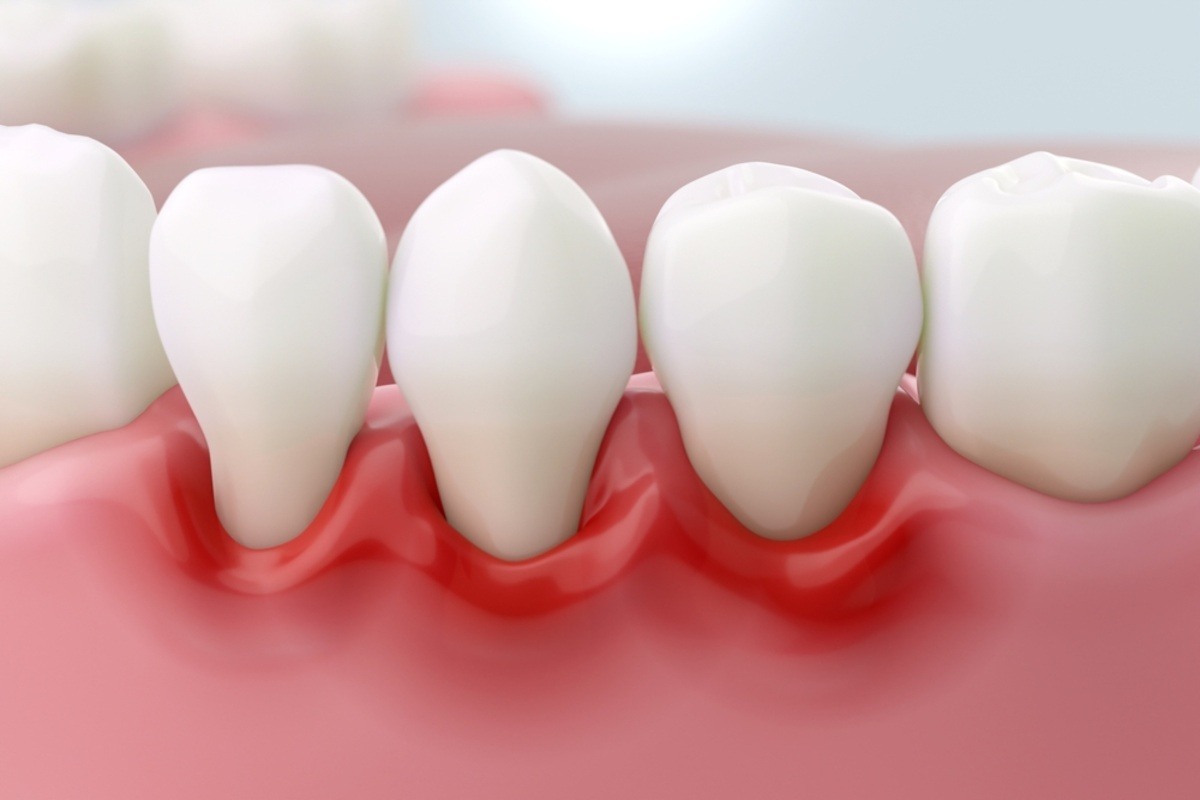
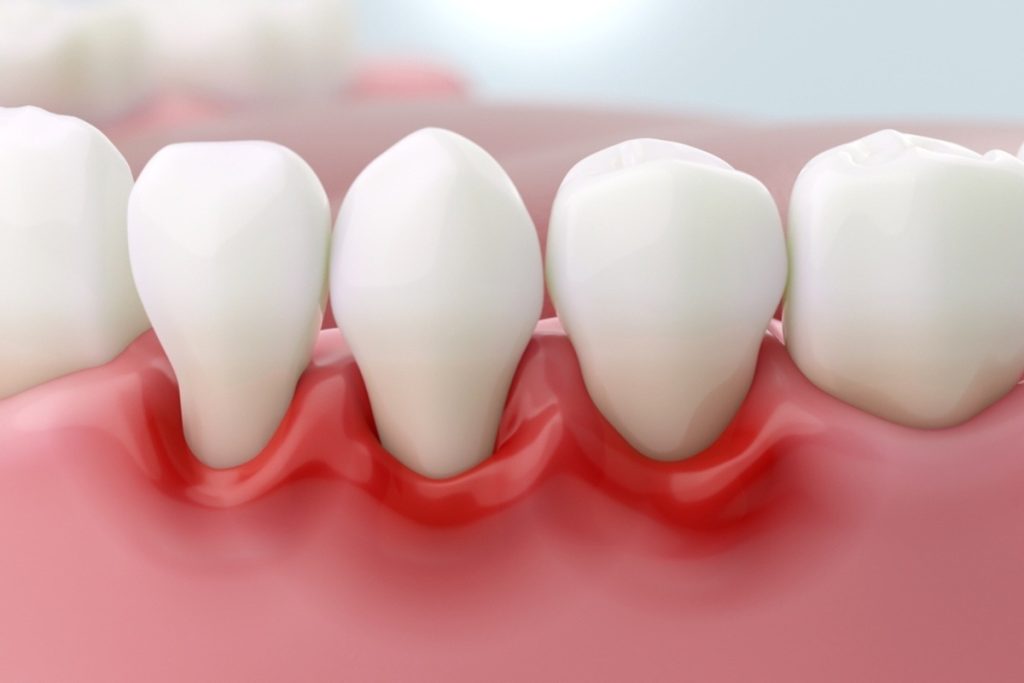
Not everyone with receding gums needs surgery. A gum graft for receding gums may be recommended if recession continues to progress, roots become exposed, or the gums are too thin to protect the teeth properly.
Signs that you may need an assessment include:
- Teeth that appear longer than they used to
- Sensitivity to hot, cold, or sweet foods and drinks
- Thin gums with little firm tissue around the teeth
- Gum recession that continues despite changes to brushing habits
- Uneven gum lines that affect the appearance of your smile
Gum recession can develop for several reasons, including gum disease, brushing too hard, teeth grinding, tooth position, or naturally thin gum tissue.
Identifying the cause matters because treating the underlying problem can help prevent further recession and support graft results.
How Do Free Gingival and Connective Tissue Grafts Work?
Both procedures use a local anesthetic to keep the treatment area numb. The main differences are the tissue type and its position.
- Free gingival graft: Your dentist takes a thin piece of tissue from the palate surface and stitches it to the area where the gums need more thickness. This procedure can help build a stronger band of attached gum tissue.
- Connective tissue graft: Your dentist collects tissue from beneath the palate’s surface and places it under a small gum flap near the exposed root. The gum is then stitched back into place.
A free gingival graft is often chosen when the main goal is to increase gum thickness. A connective tissue graft is often preferred to cover an exposed root and create a more natural-looking gumline.
Your dentist will examine the affected area and recommend the option that best suits your gum condition and treatment goals.
What Happens After a Gum Graft?
Recovery takes time, and following your dentist’s instructions can help the area heal properly. You may experience some swelling, tenderness, or discomfort around the graft site and the roof of your mouth.
To support healing, these steps can help:
- Eat soft, cool foods during the first few days
- Avoid hard, crunchy, or spicy foods that could irritate the area
- Keep your toothbrush away from the graft site until your dentist says it is safe
- Use a prescribed or recommended rinse as directed
- Avoid pulling your lip back to check the graft, as this can disturb the healing tissue
- Attend follow-up appointments so your dentist can monitor your progress
The palate may feel sore while it heals, particularly when tissue has been taken from that area. Take pain medication only as directed by your dental professional, and contact the clinic if you experience severe pain, unusual swelling, or signs of infection.
How Does Gum Grafting Differ From Routine Dental Care?
Regular cleanings and checkups protect the gum you have now. They can’t rebuild tissue that has already receded, and that is where grafting comes in.
Gum grafting is a surgical option you may consider when recession exposes the roots or leaves the gums too thin to protect them.
Routine dental care remains important after surgery. Keeping your teeth clean, using a gentle brushing technique, and addressing gum disease can help protect the graft and reduce the risk of further recession.
Can a Gum Graft Help With More Than Appearance?
Yes. Gum grafting can improve the appearance of a receding gumline while also helping protect exposed tooth roots. It is not just a cosmetic procedure.
Unlike the visible part of the tooth, roots lack a protective enamel covering. When exposed, they may become more sensitive and vulnerable to root decay and wear.
For some patients, an exposed tooth root fix involves covering the root with grafted tissue, which can help reduce sensitivity. In other cases, the main goal is to thicken the gums and make them more resistant to further recession.
A graft cannot guarantee recession won’t return. The outcome depends on factors such as the original cause, oral hygiene, gum health, and healing. However, for suitable patients, grafting can be an effective part of gum recession treatment in the Cowichan Valley.
What Should You Ask Before Having a Gum Graft?
If your dentist recommends gum grafting, ask which procedure is best for your situation and why. Understanding the treatment plan can help you prepare for the procedure and recovery.
Here are some useful questions to discuss during your appointment:
- Which type of graft do I need, and what makes it the better option?
- Where will the tissue be taken from?
- How long should I expect recovery to take?
- Will my medications or health conditions affect healing?
- Could smoking or other habits affect the results?
- What caused my gums to recede, and how can I prevent it from progressing?
A dentist near you can assess your gum tissue, explain your options, and help you understand what each procedure involves before you decide.
Ready to Take the Next Step?
If you have concerns about your gums or want to understand your treatment options, Mill Bay Dental Health and Implant Centre is here to help. Contact the clinic to arrange a consultation and discuss your concerns with the dental team.
FAQs
Is a gum graft painful?
Local anesthetic keeps the treatment area numb during the procedure. Some soreness may occur afterward, especially where the tissue was taken from the palate, but your dentist can recommend ways to manage it.
How long does recovery take after a gum graft?
Initial healing often takes 1 to 2 weeks, though the tissue may take longer to mature fully. Your dentist will let you know when you can return to your usual brushing and eating habits.
Can gums grow back without a graft?
Gum tissue that has receded does not usually grow back on its own. Better brushing habits and treatment of gum disease can help prevent further recession, but a graft may be needed to restore tissue in suitable cases.
Which gum graft is better for exposed roots?
A connective tissue graft is often preferred when the goal is to cover an exposed tooth root. However, the best option depends on the amount of recession, the thickness of the existing gum tissue, and your individual needs.