Wisdom teeth can cause problems even in your 30s or 40s, even if they never hurt before. These back teeth may grow at an angle, stay partly covered by the gums, or become hard to clean. This can lead to pain, swollen gums, tooth decay, or infection. A dental clinic in Mill Bay can check your wisdom teeth and look for signs of trouble. Getting older does not mean you must have your wisdom teeth removed. If they are healthy and do not affect nearby teeth, they may not need treatment. However, pain, swelling, a bad taste, or trouble opening your mouth should be checked by a dentist.
Why Can Wisdom Teeth Cause Problems Later in Life?
Wisdom teeth are the last adult teeth to come in, usually in the late teens or early 20s. Sometimes, they stay under the gums or only partly come through. Problems may develop later if bacteria build up around them or they press against nearby teeth.
Common concerns include:
- Gum inflammation: Food and bacteria can collect under the gum covering a partly emerged tooth.
- Tooth decay: Wisdom teeth at the back of the mouth can be difficult to brush and floss.
- Infection: Bacteria around a partly emerged tooth may cause pain, swelling, or an unpleasant taste.
- Damage to nearby teeth: A wisdom tooth in the wrong position may make the neighbouring tooth harder to clean or contribute to damage.
- Cysts: In some cases, a fluid-filled sac can develop around a tooth that remains trapped in the jaw.
These problems do not happen to everyone, but they can occur in adulthood.
What Signs Should You Watch For in Your 30s or 40s?
Wisdom tooth problems may start with mild discomfort and become more noticeable over time. Watch for:
- Pain or pressure in the back of the mouth.
- Red, swollen, or tender gums.
- Food repeatedly gets trapped around a back tooth.
- Bad taste or smell that does not go away after cleaning your mouth.
- Swelling in your cheek or jaw.
- Trouble opening your mouth or chewing.
If you have these symptoms, see a dentist. Get prompt care if you have severe swelling, a fever, or worsening pain. If you have trouble swallowing or breathing, seek emergency help right away.
Is Wisdom Teeth Removal Necessary for Adults?
No. Removal is usually considered when a wisdom tooth causes recurrent infection, decay that cannot be easily treated, damage to a nearby tooth, or another clear dental problem. A tooth that is healthy and can be cleaned properly may be monitored instead.
Wisdom teeth removal in adults may differ from treatment during the teenage years. The position of the tooth, the shape of its roots, nearby nerves, bone condition, and general health all affect the treatment plan. Age alone does not determine whether removal is safe or necessary.
A dental examination helps compare the possible benefits of removal with its risks. In some cases, monitoring the tooth with regular checkups is the more suitable choice.
What Happens During Wisdom Teeth Removal in Your 30s or 40s?
The process depends on whether the tooth has fully emerged or remains partly covered by gum or bone. Before treatment, the dentist examines the area and may take X-rays to understand the tooth’s position.
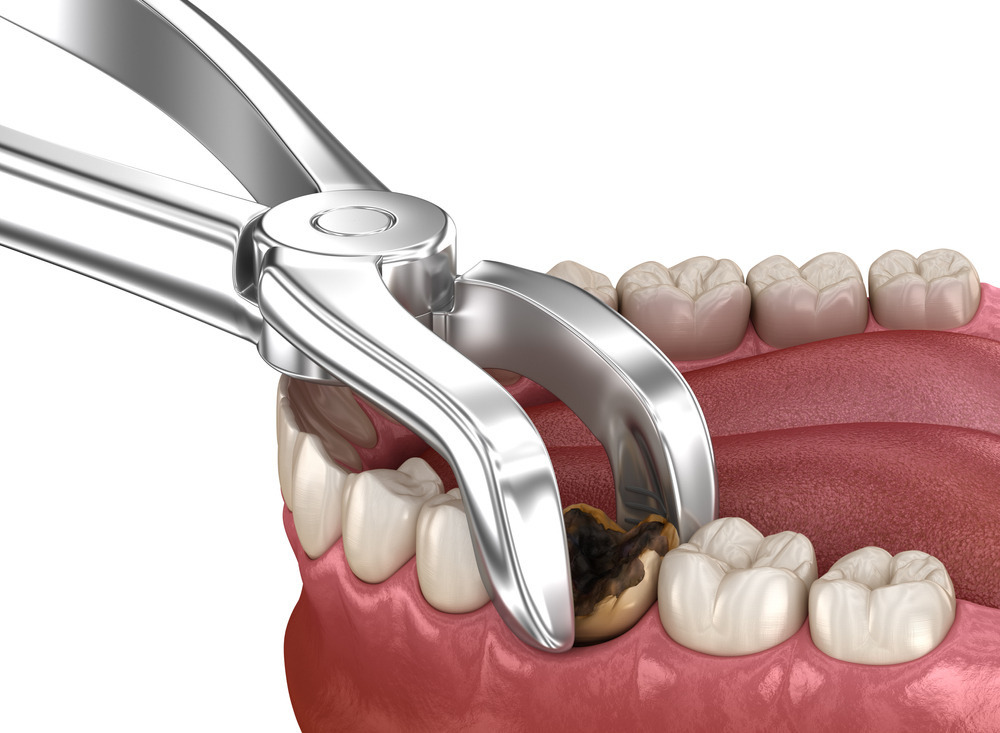
During wisdom teeth removal in Mill Bay, a local anaesthetic is commonly used to numb the area. If the tooth is trapped under the gum, a small opening may be needed to reach it. Sometimes, the tooth is divided into smaller pieces to help it be removed safely. Sedation may be available in suitable cases.
After removal, mild pain, swelling, and a stiff jaw are common for a few days. Follow your dentist’s advice, eat soft foods, and keep the area clean to help it heal. Recovery time depends on how difficult the removal was and your overall health.
Does Recovery Take Longer as You Get Older?
Recovery time is different for everyone. Some adults heal easily, while others need more time, especially after a difficult tooth removal. Health problems, smoking, and certain medicines can also affect healing.
Before wisdom teeth removal in Mill Bay, tell your dentist about your health and any medicines you take. After treatment, follow the advice on what to eat, how to clean your mouth, and how to manage pain. Contact your dentist if pain or swelling gets worse instead of better.
Get Advice That Fits Your Dental Needs!
Mill Bay Dental Health and Implant Centre can assess your wisdom teeth, explain whether monitoring or removal may be appropriate, and guide you through the available treatment options. Book an appointment with Mill Bay Dental Health and Implant Centre to discuss your concerns and plan the next steps for your oral health.
FAQs
Can wisdom teeth start hurting after years without pain?
Yes. Food can get stuck around wisdom teeth, or they may develop cavities, swollen gums, or an infection. This can cause pain even after years without any problems.
Is it harder to remove wisdom teeth in your 40s?
It may be harder in some cases because of how the tooth has grown, its roots, or the nearby bone. However, your age alone does not decide how hard it will be to remove the tooth.
Can wisdom teeth cause bad breath?
Yes. Food and bacteria can get trapped around a wisdom tooth that has only partly come through the gums. This can cause bad breath or a bad taste in your mouth. See your dentist if it does not go away.
Can a wisdom tooth infection clear up without removal?
Symptoms may settle temporarily, but the cause can remain. The right treatment depends on the tooth’s condition and may involve cleaning, other dental care, or removal.